
Legal in the Netherlands
Psilocybin truffles can be bought legally here. Mushrooms containing the same active substance cannot. That is the entire difference between the two.
Explained
What they are, why they are legal here, and what changes when you take them in a guided setting rather than on your own.
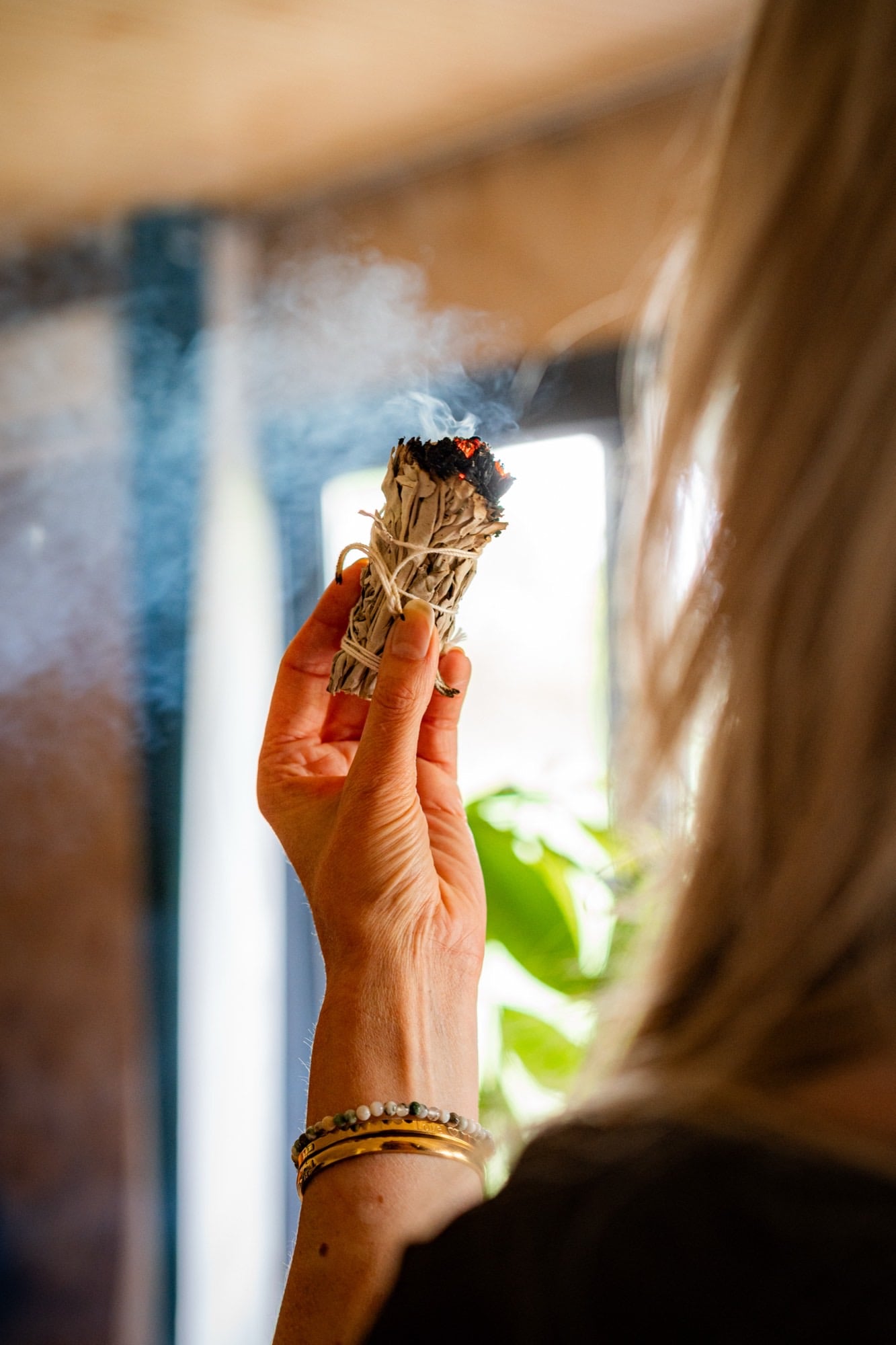
Magic truffles are the underground growths of certain fungi, containing the active substance psilocybin. They are legally available in the Netherlands, which is why people travel here for a guided experience that is not possible in most other countries.
In the body psilocybin converts to psilocin, which binds to the serotonin receptors in the brain. Thoughts, feelings and memories present themselves differently from the way they normally do. Participants describe entrenched patterns loosening and room opening up for another perspective.
We are not practitioners and this is not therapy in the medical sense. A ceremony does not replace regular care. What we offer is a carefully guided day.
Psilocybin truffles can be bought legally here. Mushrooms containing the same active substance cannot. That is the entire difference between the two.
That is how long the effects last. With arrival, preparation, reflection and dinner, you spend a full day with us.
We match the dose to your age, height, weight and previous experience. Not too much, but enough to genuinely get there.
The playlist is put together with care, alternating meditative, spiritual and earthy. We call it the wind in the sails of your journey.
These three words get used interchangeably, and that causes confusion. Psilocybin is the active substance. It occurs both in certain mushrooms and in truffles, the underground growths of the same fungus. The effects are broadly comparable.
The difference is in the law. Mushrooms containing psilocybin have been banned in the Netherlands since 2008. Truffles fell outside that ban and are still legally available. That is why every serious provider in the Netherlands works with truffles, and so do we.
Most people notice the first effects within thirty to sixty minutes. The full experience lasts four to six hours. A ceremony day with us runs from 13:00 until around 20:00, and that is not padding: the hours around the experience are part of it.
0 to 60 minutes
Nothing much, and then something. Often it starts physically: a lightness, a yawn, a shift in how the room looks. Some people feel briefly uneasy here. That usually passes once it properly begins.
1 to 3 hours
Where most of the work happens. Many journeys begin with colours, like a kaleidoscope. After that it can feel as though drawers in your mind are pulled open that you have not looked into for a long time.
3 to 5 hours
It loosens gradually rather than stopping. You notice the room again, and usually you want to speak, eat or be quiet, in that order or any other.
Afterwards
We close with a reflection and a shared meal. Tiredness afterwards is common, and so is the opposite. You will not be driving, which is why we collect you if you are staying nearby.
Because your sense of time changes, six hours rarely feels like six hours. People often guess afterwards that it was much shorter, or much longer. Neither is a sign that anything went wrong.
What we will not give you is a number of grams. We match the dose to your age, height, weight and previous experience, which is precisely what a packet from a shop cannot do. If you are looking for a figure to use on your own, that is the part a ceremony replaces, and it is the part that most often goes wrong when people do it without guidance.
A question we are asked often: what does a day like this add to talking with a psychologist? Kelly Schuller, educational psychologist and facilitator with us, puts it this way.
When you talk about a problem, you describe it. You do feel something, but your head keeps taking over again.
During a journey you actually feel the grief, and you gain insight into your own patterns. Then you get that sense of: right, I am not going to keep doing this.
In her experience that process of becoming aware starts sooner and goes deeper than talking alone. Your feeling is open, so you can work through what is there rather than describe it.
We are not saying a ceremony replaces psychological help. It does not replace regular care, and many participants combine it with an ongoing course of treatment.
Participation is possible from the age of 18. Most people who come to us are stuck somewhere, but you are equally welcome without symptoms. There are circumstances in which we do not facilitate participation or advise against it, including bipolar disorder, pregnancy and breastfeeding, certain medication and cardiovascular conditions. Where psychosis or schizophrenia is involved, also in the immediate family, we do not simply proceed and discuss your situation personally first.
All of that is set out on the page about risks and contraindications, and we go through it during the compulsory intake. If you want to know how to get ready, see preparation. If you are searching from Amsterdam, our page on magic mushrooms in Amsterdam covers what is and is not legal there. For what a day costs see pricing.
Magic truffles are the underground growths of certain fungi, containing the active substance psilocybin. In the body psilocybin converts to psilocin, which binds to serotonin receptors in the brain. The effects last four to six hours.
Both contain psilocybin and the effects are broadly comparable. The difference is legal. Mushrooms containing psilocybin have been banned in the Netherlands since 2008, while truffles fell outside that ban and remain legally available. Every serious provider in the Netherlands therefore works with truffles, as do we.
Yes. Psilocybin truffles are legally available in the Netherlands. We work exclusively with legal truffles.
Most people notice the first effects within thirty to sixty minutes after taking them. The full experience then lasts four to six hours. Because your sense of time changes, it usually does not feel that long.
It is not a state in which you lose yourself. Most people describe it as going inward: you remain aware of who and where you are, while at the same time seeing and feeling things that normally stay out of reach. Many journeys begin with colours, like a kaleidoscope. After that it can feel as though drawers in your mind are being pulled open that you have not looked into for a long time.
Four to six hours from the point they take hold, so roughly five to seven hours from taking them. It does not stop abruptly; it loosens over the last couple of hours. A ceremony day with us runs from 13:00 until around 20:00, which covers the whole arc plus the reflection and meal afterwards.
Visually, often colours and patterns, especially with the eyes closed. Emotionally, a widening: things that are normally kept at a distance come closer, which can be moving, uncomfortable or both. Physically, people report a light stomach, yawning, warmth or cold, and sometimes nausea early on. What you will not get is a loss of who you are; you stay aware of yourself throughout.
We will not give you a number, and be careful with anyone who does without knowing you. The dose we use is matched to your age, height, weight and previous experience, and that matching is a large part of what guidance is for. A packet from a shop is the same size for everyone who buys it.
Not switched off, no. What changes it is the people in the room: a difficult stretch is usually worked through with questions, breathing or a change of position rather than ended. We do not interrupt a hard emotion straight away, because that is often where the work is. If you are stuck in a loop, a facilitator helps you move.
Most people describe being tired and quiet, some the opposite. Plan a calm day after rather than a working one. About three weeks later we call you to talk through what has stayed with you; that conversation tends to matter more than the day after.
No. The effects differ and so does the setting. A ceremony is arranged for going inward and processing, not for a night out. Joy and lightness do come up for many participants, but that is not the starting point.
You can buy them legally, so that is your decision to make. What a ceremony adds is the structure around it: a screening beforehand, a dose matched to you, someone present the whole time, and a conversation afterwards. Most of the people who arrive here having had a difficult experience elsewhere had taken them without any of that.
The calendar shows the upcoming group ceremonies. Every participant has a telephone intake first, so there is room for your questions before you decide.